
How to Start Learning Martial Arts: A Complete Beginner Guide
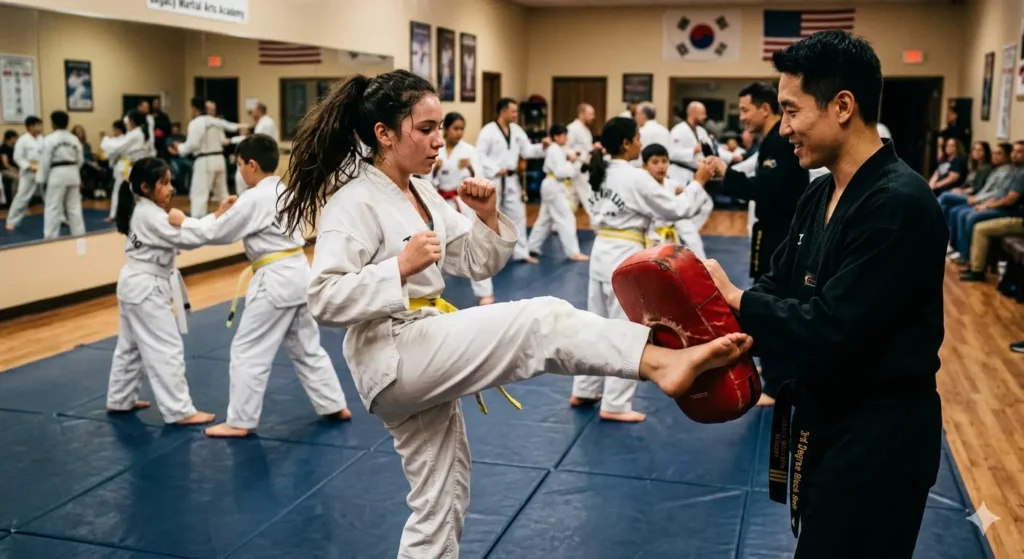
Learning martial arts is a rewarding journey that combines physical fitness, mental discipline, and self-defense skills. Whether you’re interested in improving your health, boosting confidence, or learning how to protect yourself, martial arts offers something for everyone. One of the biggest benefits of martial arts training is physical conditioning. Regular practice improves strength, flexibility, balance, and coordination. Techniques often involve full-body movement, which helps build endurance and promotes overall fitness. Unlike repetitive gym workouts, martial arts classes are dynamic and engaging, making it easier to stay motivated over time. Why Learn Martial Arts? Martial arts offers a wide range of benefits beyond physical fitness. It helps improve strength, flexibility, coordination, and endurance while also enhancing mental focus and discipline. Many people find that training reduces stress and boosts confidence. In addition, martial arts teaches respect, patience, and perseverance, which can positively impact daily life. These qualities make it an excellent activity for both personal growth and overall well-being. Choosing the Right Martial Art Selecting the right martial art is an important first step. Different styles focus on different techniques and goals, so it’s essential to choose one that matches your interests. For example, some styles emphasize striking, while others focus on grappling or self-defense. Beginners should explore options such as Karate, Taekwondo, Brazilian Jiu-Jitsu, Muay Thai, or Judo. Watching classes, researching online, or attending trial sessions can help you decide which style feels most comfortable and enjoyable. Finding the Right Gym or Instructor A supportive and experienced instructor plays a crucial role in your martial arts journey. When choosing a gym, look for qualified trainers who have proper experience and a teaching style that suits beginners. The environment should feel safe, friendly, and encouraging. A good training space will focus on proper techniques, safety, and gradual progress. Visiting different gyms and observing classes can help you find the right fit. What You Need to Get Started Getting started with martial arts does not require a lot of equipment. Beginners can begin with comfortable workout clothes, such as a t-shirt and shorts or training pants, along with a water bottle to stay hydrated. Depending on the martial art, you may eventually need additional gear like gloves, shin guards, or a uniform. It’s best to start simple and invest in equipment as you progress. Building a Beginner Routine Consistency is key when learning martial arts. Beginners should aim to train two to three times per week to build a steady habit without overwhelming the body. It’s important to focus on learning basic techniques and improving gradually rather than trying to master everything at once. Warming up before training and allowing time for recovery afterward are essential to prevent injuries and maintain long-term progress. Common Beginner Mistakes to Avoid Many beginners make the mistake of pushing themselves too hard in the beginning, which can lead to burnout or injury. It’s important to listen to your body and progress at a comfortable pace. Another common mistake is comparing yourself to others in the class. Everyone learns at a different speed, so focusing on personal improvement is more effective. Additionally, skipping basic techniques can slow down progress, as fundamentals are the foundation of all martial arts skills. Staying Motivated Maintaining motivation can be challenging at times, especially in the early stages. Setting small, realistic goals can help you stay focused and consistent. Tracking your progress, even in simple ways, can boost confidence and keep you encouraged. Most importantly, enjoying the learning process is key. Martial arts is a long-term journey, and appreciating each step will make the experience more rewarding. Final Thoughts Starting martial arts is a powerful step toward improving both physical and mental strength. You don’t need to be fit or experienced to begin—what matters most is your willingness to learn and stay consistent. By choosing the right style, training in a supportive environment, and focusing on steady progress, you can develop valuable skills and grow into a more confident and disciplined individual over time.